

Seeing inside: non-invasive brain mapping of epileptic activity (SINIMA)
ENDEAVOUR PROJECT GRANT
£165,055 over 36 months, awarded in 2020
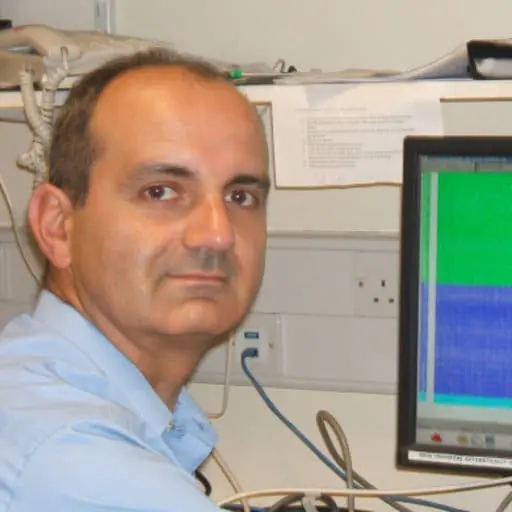
Dr Khalid Hamandi
Cardiff and Vale University Health Board and Cardiff University
Identifying where a seizure originates can lead to lifechanging surgery when antiepileptic drugs have failed. Advances in MRI brain scanning have revolutionised the field, however current brain scans are still not sensitive enough to pick up abnormalities in some patients.
"We have a world leading brain imaging research facility at Cardiff University Brain Research Imaging Centre (CUBRIC) and I am excited by the opportunity of combining the facilities and expertise in CUBRIC with that of the epilepsy surgery programmes in Cardiff and Bristol, building on work that has developed over a number of years, to benefit patients with severe and difficult to treat epilepsy.
Dr Khalid Hamandi
The researchers will use scans and new analysis methods to record brain activity in 30 patients due to undergo a special type of electroencephalogram (SEEG) where electrodes are surgically placed into the brain, pinpointing where seizures arise. The team will compare results from the fMRI and MEG scans – which are considered non-invasive – with the results from the invasive SEEG.
This study will develop new and safer non-invasive methods to locate epileptic brain areas, in order to offer epilepsy surgery to more patients and with better predicted outcomes. In the future, combining resting fMRI and MEG may become components in the work-up for epilepsy surgery.